

Welcome to
Sudometrics
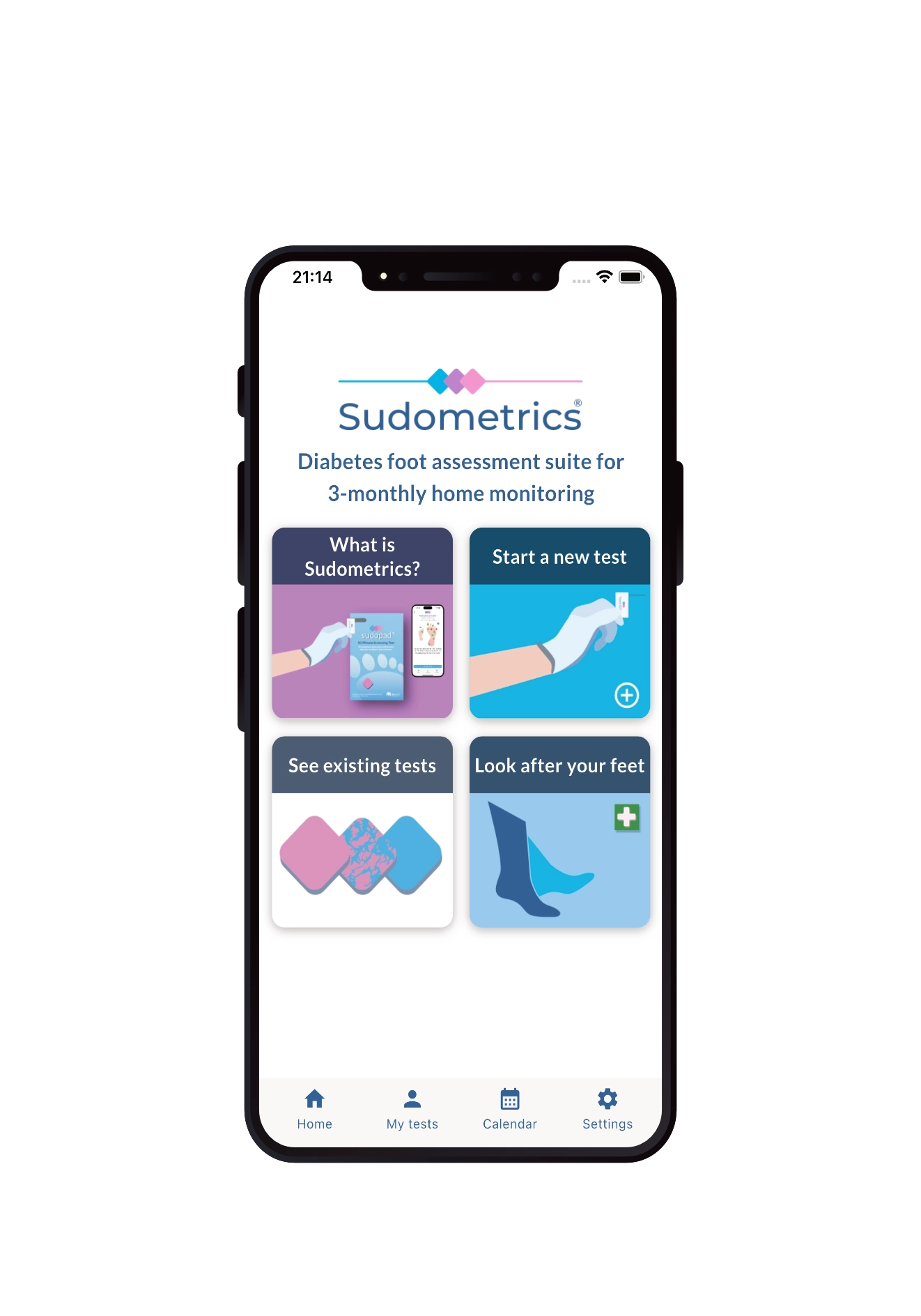
Help your patients with diabetes take control of their foot health remotely including from home with our innovative, patent-pending, smartphone app, sudomotor (sweat) function biomarker and advanced image processing system incorporating machine learning.
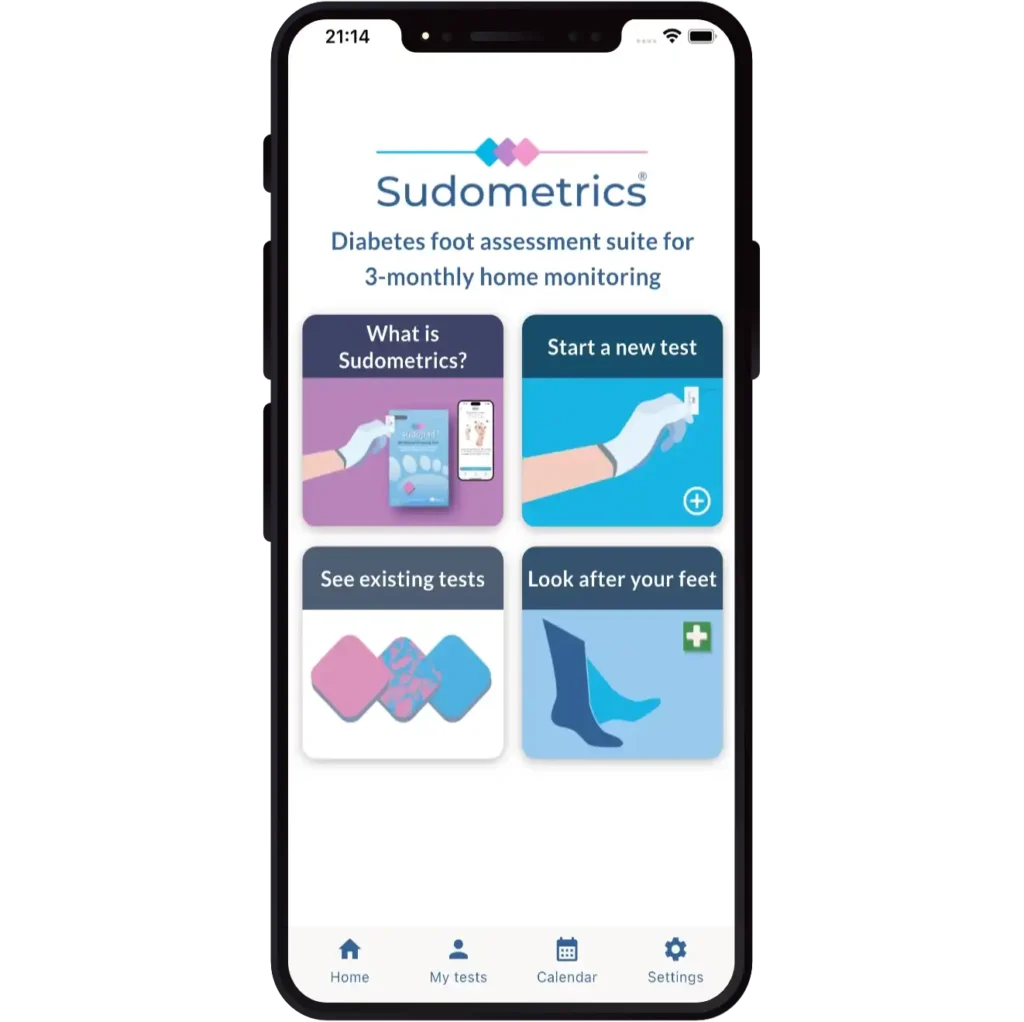
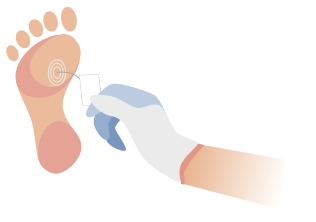
Based on strong clinical evidence, our Sudometrics system and Sudopad sweat function test provide a reliable and simple way for you and your patients to see if they have symptoms of diabetes related peripheral neuropathy (DPN) and, if they do, if the early signs of it show stability, worsening or improvement of symptoms by using microscopic quantities of sweat as a surrogate for damage to the small nerve fibers in the feet, which is a recognised early sign of DPN.
Diabetic peripheral neuropathy is a global problem

537 million
people worldwide have diabetes1
approx 50%
of people with diabetes develop DPN2
38.4 million
people just in the USA have diabetes3
130,000
amputations in the USA per year due to diabetes6
- International Diabetes Federation (IDF), Diabetes Atlas, 10th Edition (2021)
- Tesfaye, S., & Boulton, A. J. M. (2009). Diabetic neuropathies: Diagnosis and management. Published in Diabetes Care, 32(1), 147–154
- American Diabetes Association. “Prevalence, Statistics, and Economic Impact.” (2024)
- Diabetes UK. “How many people in the UK have diabetes?” (Based on 2023–2024 registration figures and estimates of undiagnosed cases.)
- International Diabetes Federation (IDF). “Europe – Diabetes Atlas.” (Provides 2024 projection for people with diabetes aged 20–79 in the IDF Europe Region.)
- American Diabetes Association Amputation Prevention Alliance
- Diabetes UK Research on preventing amputations
- Diabetes in Europe, World Health Organisation
Current diagnostic tools have limitations that can impact accuracy or early detection
Clinical evidence over the last 30 years has shown that one of the very earliest signs of DPN is sudomotoric dysfunction. The tiny sweat glands in the feet may be damaged by high levels of glucose in the blood causing damage to the capillaries that provide blood flow and directly to the small nerve fibers that innervate the glands.
While devices such as the 10g monofilament test are currently widely used, mounting evidence has shown that the results can be subjective and cannot be safely relied upon, if used on their own as a predictor of DPN.
Why accuracy is key
Relying on unreliable and inaccurate screening methods means that cases of DPN could easily be missed at a point where interventions are possible. This means in its early stages.
DPN may progress rapidly and insidiously and it’s not uncommon for serious complications to develop within a short period of time. It therefore pays for be vigilant and to have the diagnostic tools to assist.
Once a serious complication such as a foot ulcer has occurred, it’s very difficult to put into remission, and they are never really ‘cured’. Unfortunately, once an ulcer has become untreatable the only option may be an amputation of the affected parts.
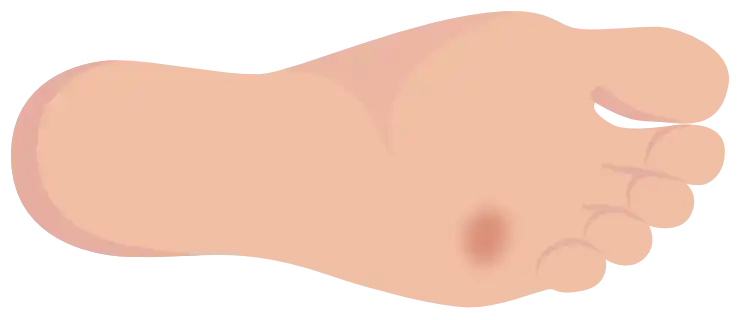
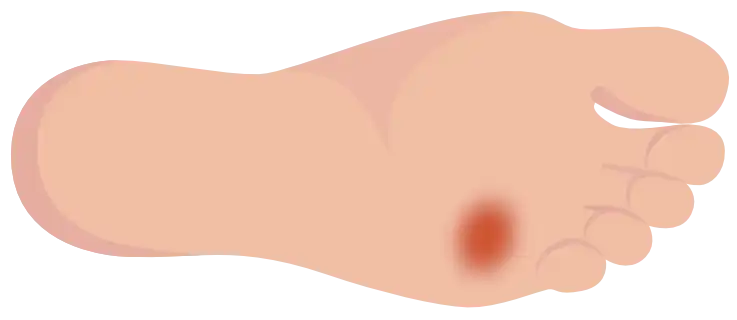
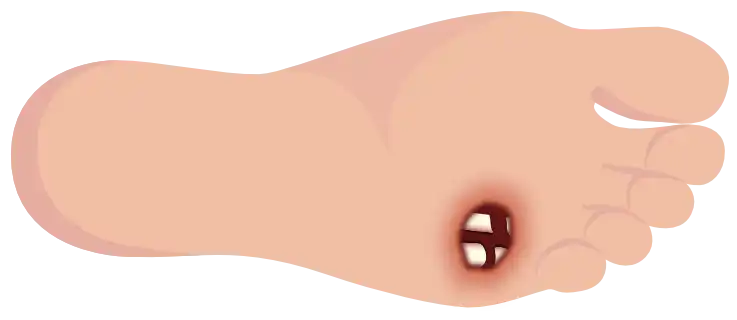
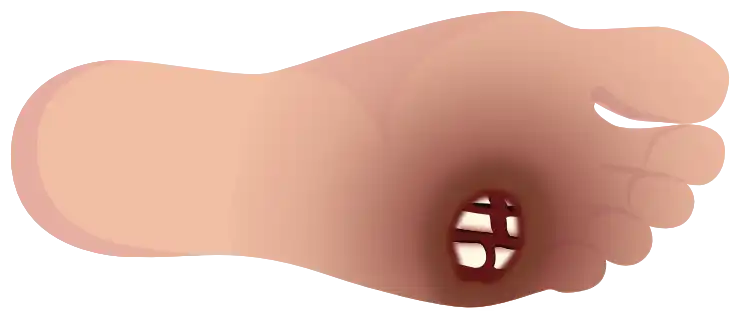
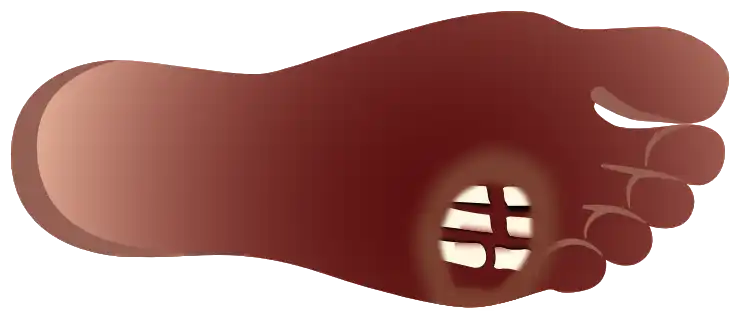
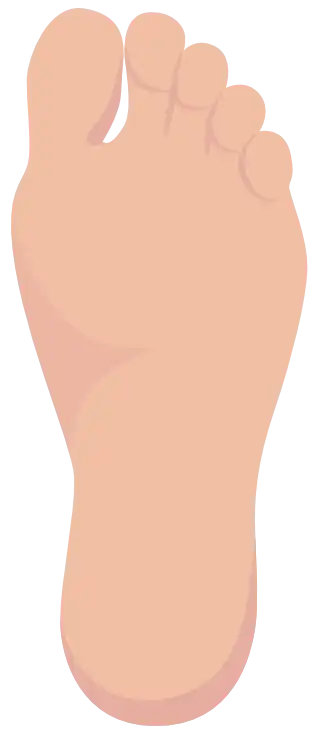
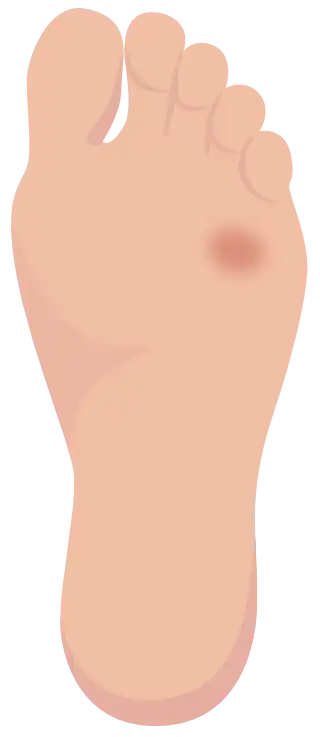
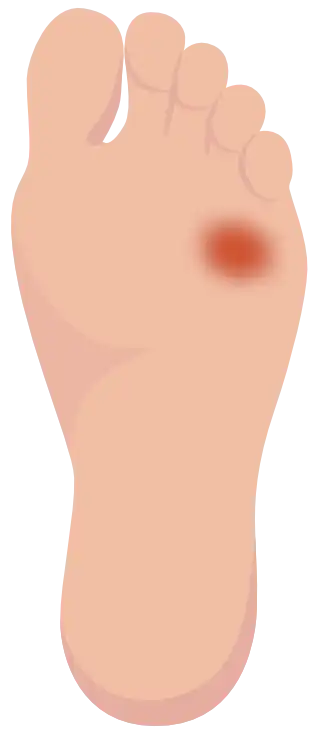
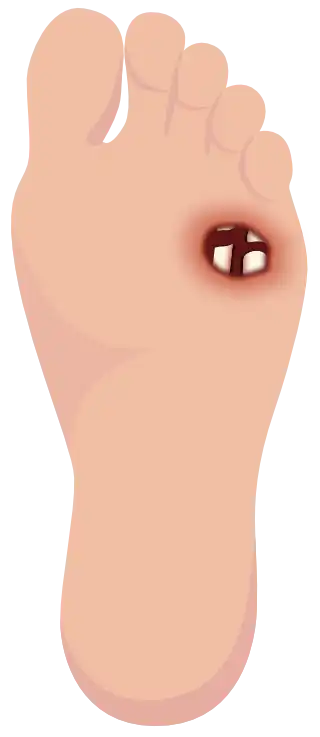
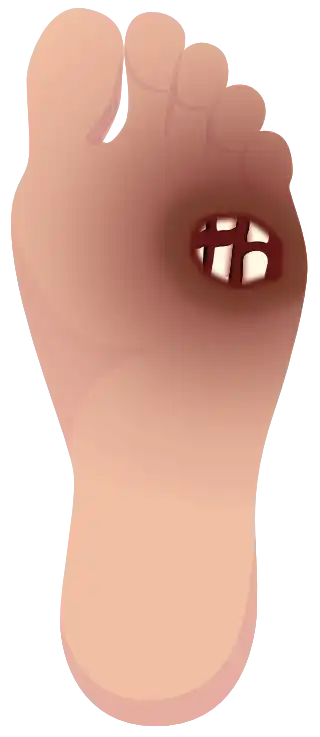
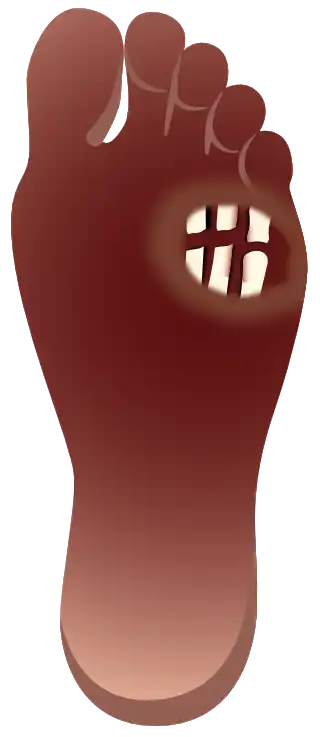
If a reliable DPN screening test is deployed early enough, serious complications may be avoided though the right treatment plan including better blood sugar control.
Sudometrics is the innovative answer to a common problem
Sudometrics allows you to accurately quantify the damage to the sudomotor function using percentage depth of colour change and therefore compare test results over time.
The degree of colour change, and the progression from test to test, can make a huge difference.
Sudometrics uses the sudomotor sweat function test pad biomarker with an intuitive smart phone app and an advanced Cloud-based image processing system to evaluate the degree of sudomotoric dysfunction, storing the results for healthcare professionals to monitor patients and providing the results to patients to empower them.
The app allows you or your patients to photograph the sweat function pad using a smart phone. The photo is then automatically uploaded to the Cloud and our system then applies machine learning and advanced computer vision technology to calculate the degree of sudomotor function according to the colour change and saves the result to a specific profile.
In this way, you and your patient can compare the results against previous tests to assess progress and inform a new treatment plan.
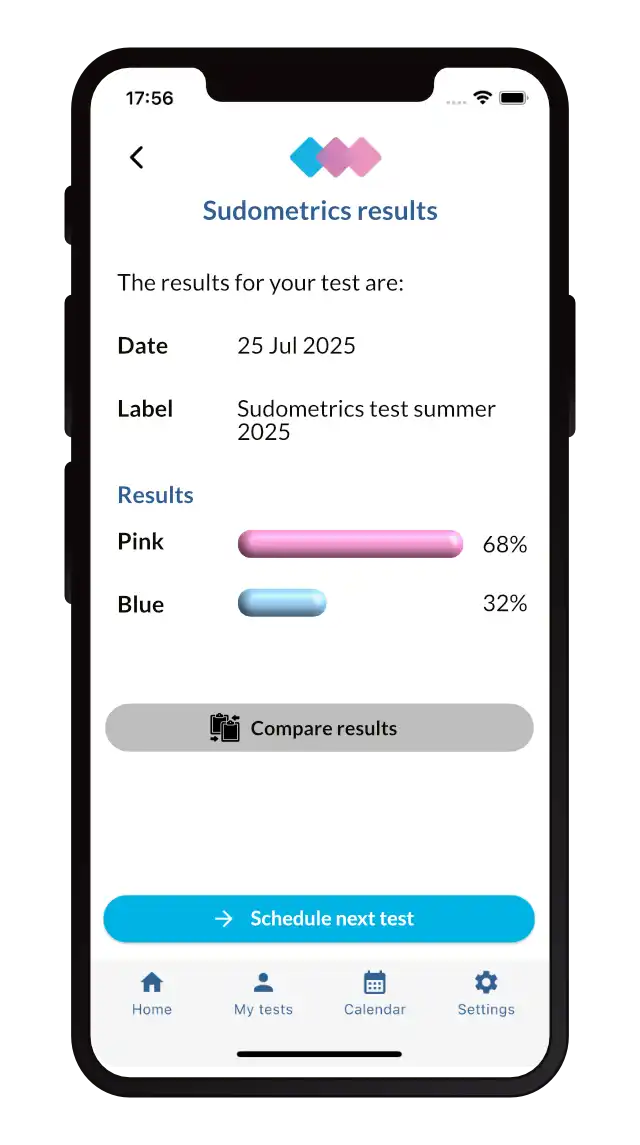
Sudometrics results screen
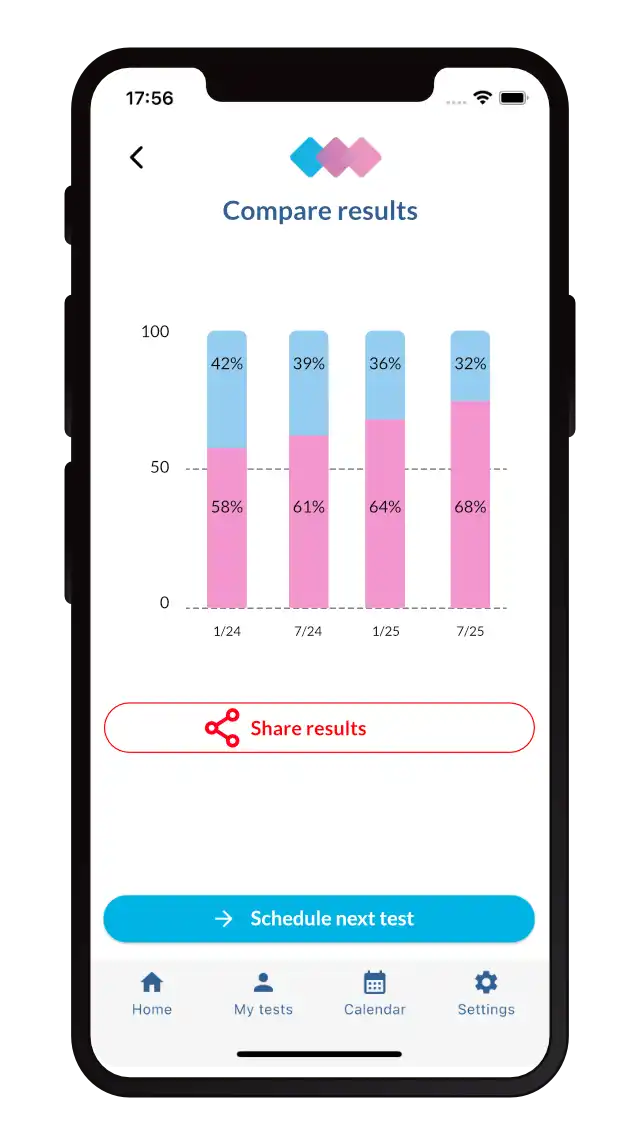
Sudometrics results comparison
The app is available on the app store and works in multiple languages.
